
True story: my wardrobe is a bit of a time-capsule, with some pieces dating back to my broke-ass student days. And these oldies but goldies are still holding strong after over a decade! These garments, despite being snagged from the shelves of fast fashion the likes of H&M and Zara, seem to hold up better than some of my newer, supposedly higher-quality purchases. But is it just me?
In a previous entry, I already touched upon a prevailing sentiment that the quality of everyday items – (if by quality we mean their lifespan and reliability) – has declined, with items breaking or wearing out faster than they used to.
Let’s break it down (pun intended), now through the lens of clothes. The traditional design process for an item of clothes used to focus on balancing functionality, appearance, and manufacturability. The initial shift from tailor-made garments to mass-produced clothes from department stores marked a significant change in consumer behaviour. The emergence of fast fashion has further exacerbated the decline in product quality.

Consumer engineering1, driven by trend cycles and micro-communities, has cultivated a culture of rapid product replacement. The constant pursuit of the next best thing, influenced by changing trends rather than necessity, incentivises manufacturers to produce items with intentionally shorter lifespans. This trend-driven approach to consumerism has significantly impacted the overall durability and functionality of products.
Nowadays, fast fashion shapes consumer expectations regarding the cost of clothing: the more we buy, the cheaper we expect things to be. Such low prices have conditioned consumers to perceive clothing as disposable commodities rather than long-term investments. This shift in mindset contributes to a cycle of overconsumption and reinforces the downward trend in clothing quality. Given the pressure to cut costs to increase profits, what processes led to the production of lower-quality garments?
Manufacturers, pressured to meet the demand for low-cost products while maintaining a visually appealing appearance, compromise on materials and manufacturing processes. Compromising on fabric thickness, they opt for thinner and lighter materials, which may impact both the aesthetic appeal and durability of the clothing. Cheaper fabrics, such as synthetic fibers like polyester or viscose, are commonly employed, resulting in garments that may feel less comfortable and have a shorter lifespan.
For one experiment, a pair of Levi’s 501s made between 1985 and 2000 was compared to a brand-new pair from 2017 or 2018. The tests conducted in the lab aimed to assess various quality factors. including fabric weight, density (threads per cm), thread thickness, rip strength, abrasion resistance, and tensile strength. Conclusion: the old 501s were found to be stronger and exhibited slightly less wear than the new ones, despite the fabric being at least 18 years old, if not older.
In the pursuit of quick and inexpensive production, the construction and workmanship of their garments also suffer: in result, we end up with poorly sewn seams, uneven stitching, and overall subpar craftsmanship. These, in turn, at least partially stem from exploitative labour practices: garment workers making our clothes in low-wage countries commonly face harsh working conditions, inadequate wages, and job insecurity. So, this incredibly poor labour environment can contribute to a decline in the overall quality of life for those involved in the production process – you might already be familiar with the Rana Plaza tragedy.

Online shopping, the golden child of convenience, has only taken the problem to new heights. We click, we buy, we don’t even touch the stuff. The immediacy of the digital marketplace fosters impulse buying, blurring the lines between desire and necessity. In this brave new world, quality takes a backseat to convenience, a casualty of our insatiable appetite for instant gratification.
So, where does that leave us? For starters, we need to start asking questions. How are our clothes made? Who’s making them? The decline in clothing quality isn’t just a profit-driven phenomenon; it’s a multifaceted issue influenced by societal shifts, consumer behaviour, and manufacturing decisions. Being transparent about what we buy, engaging with the process, and making mindful choices can shift us towards a future where our clothes are durable, sustainable, and ethically produced.
Sure, those are some big-picture solutions, but here’s the thing– we can start making a difference right now. It’s time to make our clothes count, so scroll down below for 28 practical tips on how to make your garments last longer, no matter how old they are.
- Consumer engineering, as a concept, was proposed by Ernest Elmo during the Great Depression. This philosophy encourages frequent replacements driven by changing trends rather than the deterioration of the product itself. ↩︎
***
How to make your clothes last longer?
- Buy a stain removal pen:
- Carry a stain removal pen for unexpected spills.
- Address stains immediately to prevent setting.
- Use a clothesline or drying rack:
- Air drying clothes extends their lifespan.
- Avoid hot tumble dryers to prevent shrinkage and stretching.
- Use a delicates bag:
- Protect delicate garments from damage in the washing machine.
- An inexpensive way to preserve the lifespan of lingerie/underwear.
- Avoid washing your clothes too often:
- Overwashing accelerates fading and fiber breakdown.
- Consider the “smell test” before washing.
- Opt for cold washes:
- Wash at colder temperatures to prevent fiber breakdown.
- Reduces microplastic release and saves energy.
- Use less washing detergent:
- Overloading detergent can make clothes dull.
- Consider eco-friendly detergents and natural alternatives.
- Skip the softener:
- Fabric softeners can coat fibers, accelerating breakdown.
- Use vinegar as a substitute for fabric softener.
- Don’t dry clean unless you have to:
- Dry cleaning involves harsh chemicals damaging fibers.
- Explore alternatives like steam and ventilation.
- Don’t overload your washing machine:
- Overloading causes friction, leading to damage and fading.
- Clean your washing machine:
- Washing machines can develop soap scum affecting clothes.
- Separate your colours:
- Prevent colours from running by washing separately.
- Use colour catchers to preserve garment integrity.
- Wash strong clothes and printed tops inside out:
- Preserve colour and prevent fading by washing inside out.
- Applies to strong colours, printed tops and denim.
- Upcycle or repurpose your old clothes:
- Give new life to old white clothes with tie-dye.
- If you’ve lost one sock from a pair, keep the remaining sock in rotation.
- Save spare buttons that come with new clothing items.
- Transform garments that no longer spark joy or fit into something new.
- Avoid damp, closed, or over-exposed light places when storing clothes:
- Direct sunlight can fade colours over time.
- Well-ventilated wardrobes in shaded areas are ideal.
- Zip up all zips and tie up loose drawstrings:
- Before washing, ensure all zips are securely zipped.
- Tie up any loose drawstrings to prevent snags and potential damage in the washing machine drum.
- Fold heavy clothes rather than hanging:
- Hanging heavy clothes can cause stretching.
- Preserve the shape for longer-lasting wear.
- Invest in better hangers:
- Wooden hangers offer better support than plastic or wire.
- Help maintain the shape of your clothes.
- Stuff shoes and bags:
- Preserve the shape of new shoes and bags by keeping them stuffed with paper.
- This simple hack helps maintain the structure and longevity of your accessories.
- Repel moths naturally:
- Protect clothes from moths by using natural repellents.
- Options include lavender or mint essential oils, cedarwood chips, and sachets of cloves, thyme, or rosemary.
- Turn down your iron:
- Ironing at lower temperatures prevents damage.
- Follow label advice and be cautious with ironing.
- Learn how to mend own clothes:
- Basic sewing skills can extend the life of your clothes.
- Online resources offer tutorials for mending and refashioning.
- Find a local tailor:
- Support local businesses by finding a tailor.
- Affordable options for repairing and altering clothes.
- Have a regular clear-out:
- Regularly assess your wardrobe to understand your clothing inventory.
- Identify items rarely worn to make informed decisions about what you truly need, helping to reduce unnecessary purchases.
***

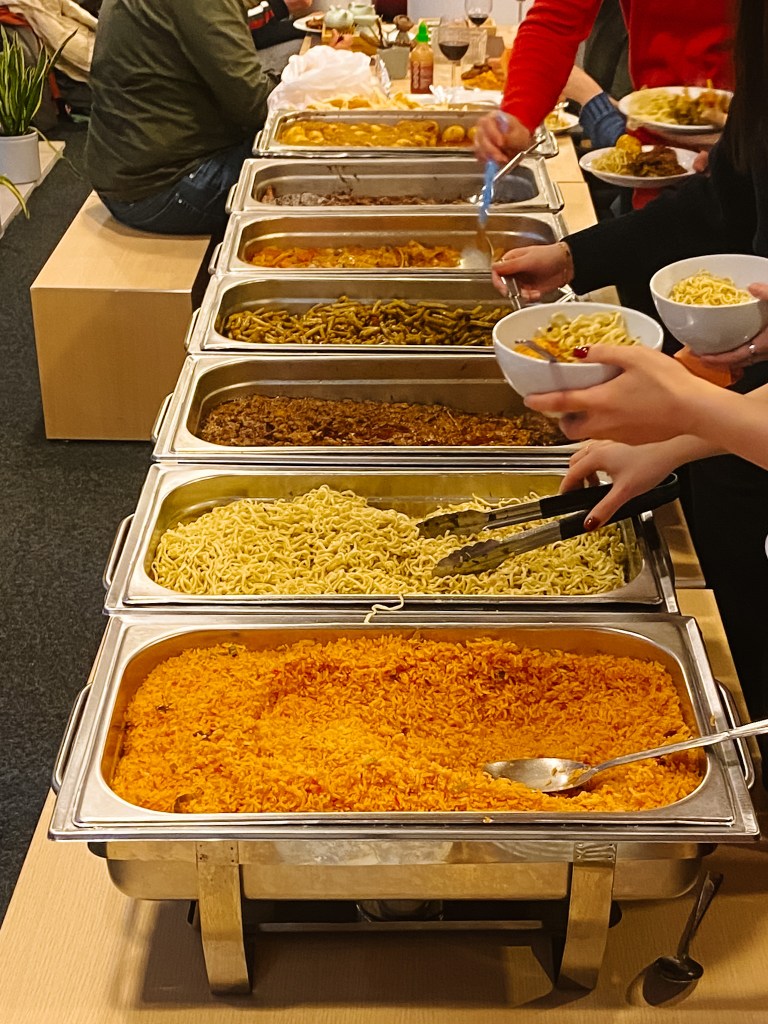
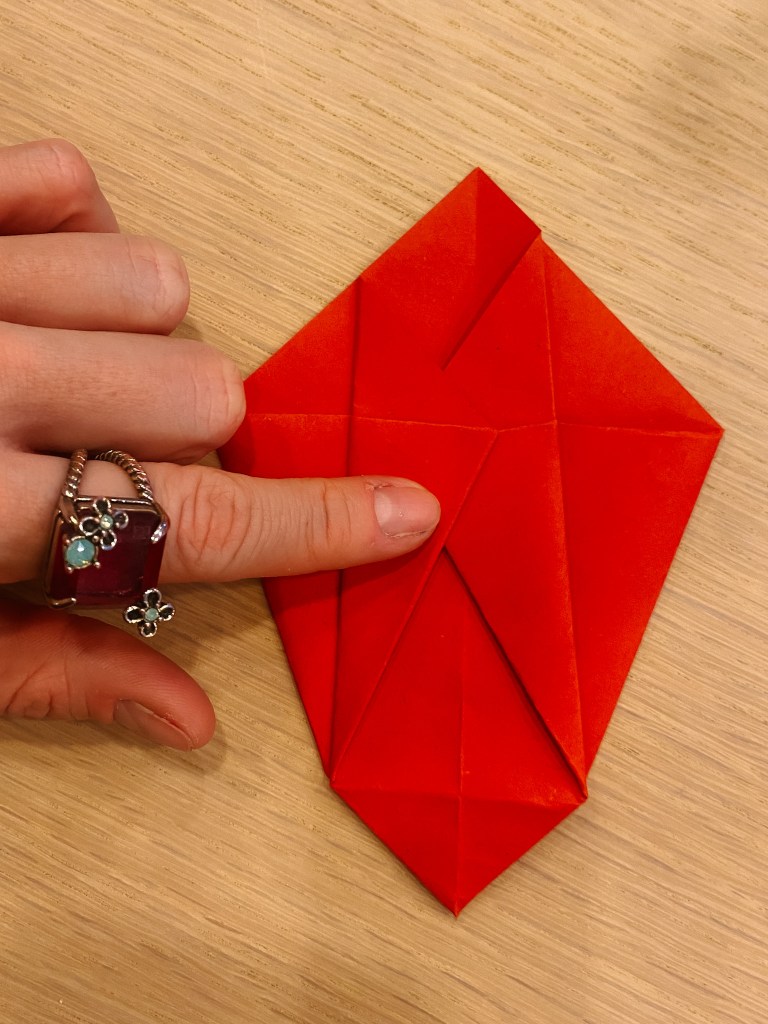
Today, our office hosted a small gathering to celebrate the arrival of the Lunar New Year of the Wood Dragon, which happened last weekend. After a presentation on the significance of the new year’s symbol – representing power, nobility, honor, luck, and success, we had an origami session, crafting lanterns traditional for this occasion. You might think it is an easy task but don’t be fooled – not all of them turned out lantern-looking (lolz).
Among the failed challenges today were biking to work, limiting my shower to five minutes and eating vegan. On the other hand, it rained quite a lot last night so it filled up one of the baskets left outside with enough water to make three plants happy. Since I was at work most of the day, no waste was generated!
To sum up, this is today’s progress:
| SUCCESS | FAIL |
|---|---|
| NO WASTE | Vegan food (not compatible with work events, it seems) |
| Unplug devices that are not in use | Five-minute shower |
| Use stairs instead of elevator | Bike to work (lazy bum) |
| Collect rainwater |
 Fair February
Leave a comment