🔥Hot news alert!🔥 This month is on track to be the warmest February recorded in the Netherlands! Average temperatures at the Bilt weather station are somewhere around 8.2°C, double the usual norm for this time of year. Is winter taking a vacation?
But, there’s more than just rising temperatures on the Dutch horizon. By April, the country would already max out its resources for the entire year. The Global Footprint Network‘s calculations reveal that if the world adopted the Dutch lifestyle (yes, bitterballen and gezelligheid included), we’d need 3.6 Earths to sustain it.
Living in Amsterdam, my curiosity naturally gravitated towards the sustainability initiatives taking root in my city, both in the short and long term – after all, I’d rather not wake up one day with the Amstel River knocking at my window!
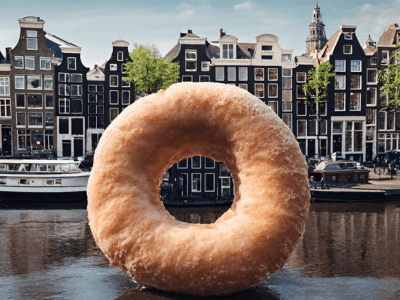
Much to my relief, the city isn’t playing it small. With bold ambitions to achieve climate neutrality and 100% circularity by 2050, our city is charting a course to lead the way for the entire country. The Amsterdam City Doughnut, based on the renowned framework of economist Kate Raworth, offers no poffertjes or stroopwafels but a model for assessing the city’s economic impact on environmental and social indicators, both locally and globally, while respecting the planetary boundaries. This game plan includes over 70 actions to be made by Amsterdam in the next four years, with residents, entrepreneurs, and social go-getters all on board. To keep track of its progress and assess the transition, a Monitor is being developed to gain comprehensive insights into the flow of materials within the urban landscape.
The City Doughnut has identified three key value chains where Amsterdam can make a significant impact:
- Food and Organic Waste Streams: Responsible for about half of all ecological impact, addressing issues like food waste and inefficient use of raw materials is crucial. Focus extends beyond households to include hotels and restaurants, aiming to repurpose organic waste like used fat for biodiesel or as a plastic substitute in refineries.
- Consumer Goods: This commitment revolves around electronics, textiles, and furniture. Exploring avenues for sharing, trading, and optimising collection and reuse processes holds the potential for significant gains in this value chain.
- Built Environment: With considerable influence in this area, the city plays a pivotal role in organising public spaces and holds influence over construction decisions, offering substantial potential for improved handling of raw materials and building materials. Additionally, we focus on climate-adaptive city design to enhance air quality and resilience to temperature and rainfall changes. The renovation task to be gas-free by 2040 also presents a unique opportunity.
Food’s indeed a big deal here, making up almost 20% of the city’s total impact. Amsterdam’s brand-new Food Strategy aims for a food scene that’s not just delicious but also healthy, fair, green, and affordable. This includes a focus on plant-based proteins, locally sourced food, and a target to cut food waste by 50% by 2030. As I mentioned in a previous entry, NL already has the highest consumption of plant-based foods per capita in the EU, while ranking 6th in absolute figures.
Better late than never, Amsterdam is finally taking a bold step to tackle organic waste. By 2030, they’re aiming to collect organic waste separately from 75% of households. That’s a big jump from the 5% in 2022 and the target of 30% by 2026. First steps in this compost direction I have described in this blog post.
The road to sustainability is fraught with challenges: local material use continues to escalate, mirroring global trends. In response, Amsterdam has pledged its commitment to national goals, aiming to slash new, non-renewable raw material usage by 50% by 2030. Considering the substantial volume of industrial waste compared to household waste, even a modest improvement in the management of industrial waste could yield significant overall impact. Additionally, there are untapped opportunities to enhance the market for secondary materials.
In the face of climate change, the city is addressing the threat of extreme rain showers, which poses risks such as flooding, property damage, and harm to green spaces. The city anticipates a doubling of extreme showers by 2050, prompting proactive measures such as enhancing drainage, promoting green infrastructure, and expanding temporary rainwater collection through initiatives like wadis. These efforts not only safeguard against extreme weather impacts but also underscore the city’s commitment to climate-adaptive urban development and resilience.

Yet, Amsterdam’s shift to a circular city isn’t just about what the municipality decides – it involves all of us. We’re talking about everyday choices that each of our 918,000 residents make, shaping how we work and live together. Simple tweaks in our daily habits can slash CO2 emissions by a whopping 40-70%. But when people aren’t actively involved, their buying choices get swayed by impulses like convenience and attractiveness, fuelled by ads pushing us to consume more. Opting for new stuff often seems faster, easier, and cheaper than fixing things. Recognising this, the city is figuring out ways to make circular living more fun and easy for everyone.
Besides these efforts, transparency is gaining momentum as well. Come 2025, the city is taking a bold step by exposing the ‘true price’ of our procurement. This goes beyond the surface-level sticker price, delving into the concealed costs that don’t make it onto the receipt – things like the environmental toll of production, transportation, usage, and waste. The concept of the true cost could be a game-changer, especially for businesses committed to sustainability. Currently, market prices often fall short, not capturing the full impact of a product. Sustainable choices might appear more expensive simply because their true costs aren’t considered – and, as discussed earlier, there’s a real risk of greenwashing.
It is clear that many challenges will persist, but the city’s determination and innovative strategies showcase an inspiring commitment to sustainable urban development – what do you think?
***
TL;DR Amsterdam’s road to circularity
By 2030:
- Emission-Free Urban Traffic: Achieving 100% emission-free traffic within the city’s built-up areas.
- Sustainable Operations: Transforming our own organization to be entirely sustainable, leading by example in responsible practices.
- Renewable Household Energy: Generating 80% of household electricity from solar and wind energy sources, reducing reliance on traditional power grids.
- Reducing Raw Material Consumption: Reducing by 50% the use of new raw materials, promoting recycling and reuse.
- CO2 Emission Reduction: Working towards a 60% reduction in CO2 emissions compared to the levels recorded in 1990.
By 2040:
- Natural Gas Independence: Become entirely natural gas-free, embracing cleaner alternatives for heating and energy.
- Solar Energy Integration: Utilising all suitable rooftops for solar energy generation.
By 2050:
- Climate Adaptation: Amsterdam to be fully prepared for the impacts of climate change, implementing measures to adapt and mitigate potential challenges.
- Climate Neutrality: Achievement of climate neutrality, with zero CO2 emissions.
- Circular Economy: Fully circular economic model, promoting responsible consumption and resource management.
- Green Vision: Enhancing the city’s green spaces and fostering a harmonious environment, where you can stroll from your front door to a nearby park in just 10 minutes or reach a nature reserve by bike in 15 minutes.
***
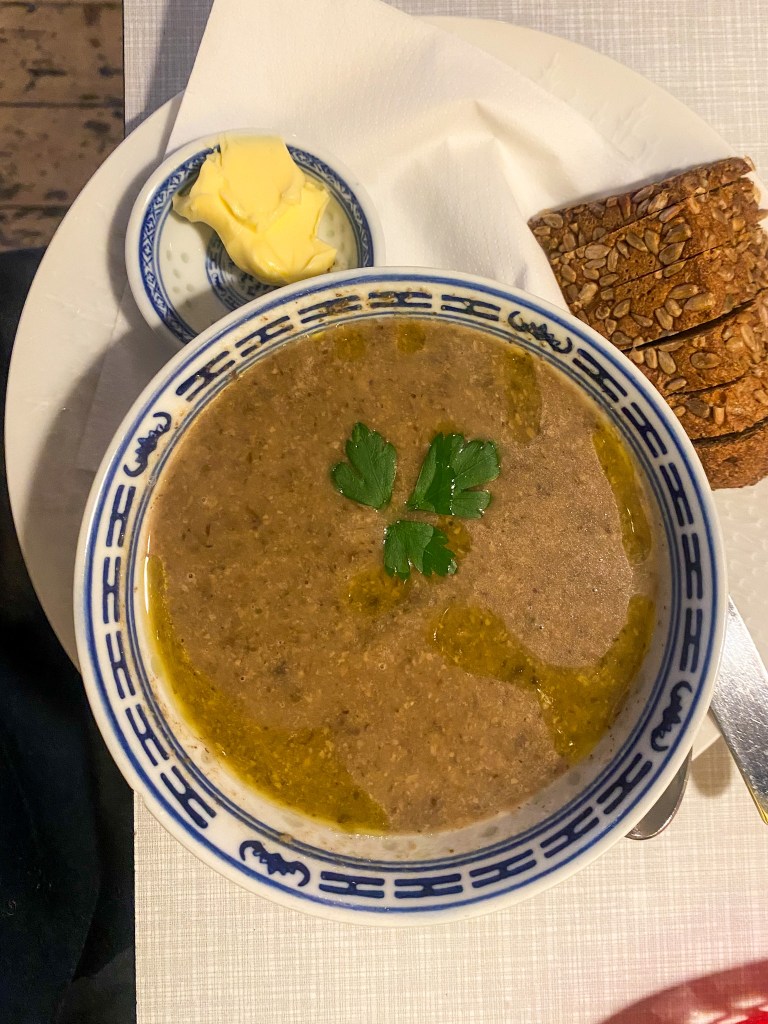

This weekend, I decided to take a break from grabbing another box from Too Good To Go. My experience with it has been a bit hit-and-miss during this challenge, and besides, I wanted to keep my kitchen from overflowing with more food than I can handle right now. However, I’ve already successfully completed this challenge twice, and I might give it another shot next week.
On a greener note, I spent some time at home planting some seeds. Radish, leaf lettuce, rocket salad, and garden cress are the newest additions to my little garden, which consists of my balcony and window sills. Even though spring hasn’t officially arrived yet, I’m excited to see what sprouts up in the coming weeks. Who knows, maybe we’ll have some greenery sooner than expected!
Unexpectedly, a delightful visitor from abroad shook up my plans a bit, leading to a slight delay in my next volunteering gig. Heading out for a bite served as a reminder to keep a keen eye on ingredients for my vegan quest. Apparently, having cheese in cheesecake doesn’t shout “dairy” loud enough? lolz
To sum up, this is the past two days’ progress:
| SUCCESS | FAIL |
|---|---|
| Plant seeds | Vegan food |
| Cook one week only with stuff from Too Good To Go | No single-use plastic |
| Unplug devices that are not in use | Volunteering |
| No purchase of brand-new items (camera) | Opt for pick-up delivery over home delivery (no alternative offered) |
| Collect rainwater | Five-minute showers |
| Compost | No waste |
| Learn new things about sustainability |

 Fair February
Leave a comment