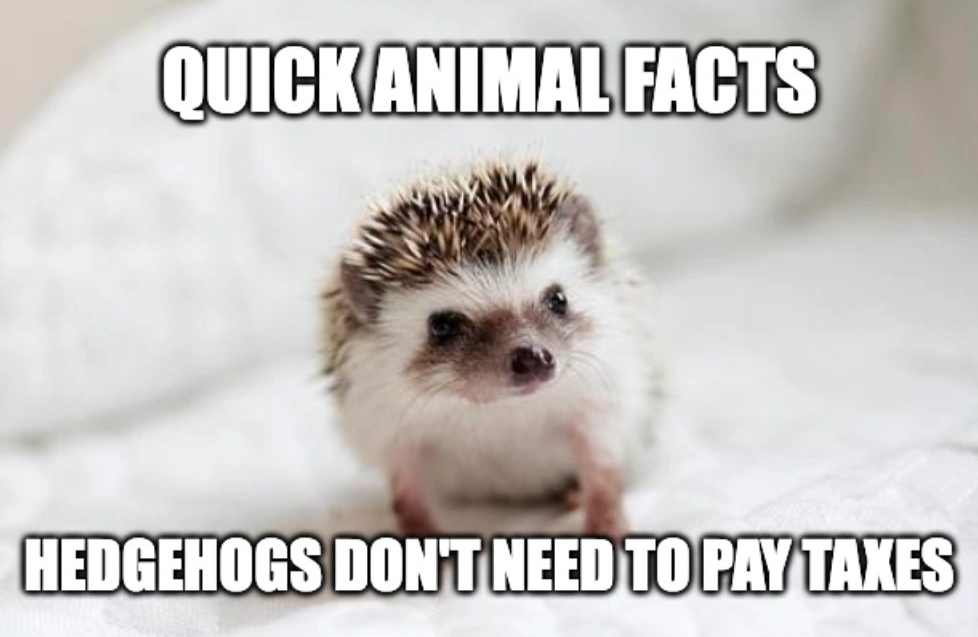
Did you know that happy peeps often get to enjoy life for up to 10 years longer? That’s a way bigger deal for life expectancy than almost anything else, only smoking comes close.
When I was doing some prep work for this blog, I started wondering if my own experiences and some anecdotal observations would show a link between happiness, consumerism, quality of life, and sustainability. It made me question whether living in a ‘wealthier’ country really means a more fulfilling life. It’s a bit of a personal investigation – does having more stuff or living in a well-off place actually make people happier? Or is there more to the story, like maybe finding happiness in simpler things?
Now, you may ask, what does this all have to do with this project?
Some research studies suggest that our happiness actually plays a big role in how we treat the environment, almost challenging a common idea of retail therapy buying stuff bringing happiness. The opposite could be the case: happy people don’t go on crazy shopping sprees, they tend to buy less stuff, and guess what? Buying less stuff actually makes them happier (if anything, my bank account sure is happy to hear that!).
Zoom out to a global level. One recent work1 dug into 152 countries trying to crack the code on happiness and eco-friendliness. To do that, they looked into happiness scores, consumption habits, sustainability goals, and recycling efforts. What did they find? The happiest countries might be big on consumption, which doesn’t sound too green, but surprise, surprise—they’re also nailing sustainability and recycling, even if social and political noise weighs in.
Then I remembered about the Happy Planet Index (HPI), a curious approach to measuring well-being that diverges from traditional economic indicators, that I first came across back in my travel blogging days. This methods offers an interesting perspective.

The HPI doesn’t see GDP or income as the be-all and end-all of success. It’s more interested in whether people are genuinely happy and healthy, and if they’re able to maintain that happiness without harming the environment or other people. So, instead of just focusing on economic measures, the HPI looks at things like how much people enjoy life and how long they live, while also taking into account how sustainable their lifestyle is. It’s all about finding a balance between living well and not wrecking the planet in the process.
In a way, it is a rebellion against the idea that we should all be chasing perpetual economic growth. There is more – some countries might ace the HPI rankings not because of their political systems, but in spite of them.

If a society has a per capita ecological footprint within Earth’s limits but low levels of wellbeing or life expectancy, sorry, it doesn’t make the cut. On the flip side, if a society is living the good life but using more resources than our planet can handle, it’s not getting a gold star either. Using this formula, the HPI has found out that the most successful countries are those where people live long and happy lives at little cost to the environment.
Costa Rica has topped the rankings once again – but what is the key to its success? It can partly be attributed to a culture of forming solid social ties within families, friends, and neighbourhoods. Since abolishing its army in 1949, the government has reallocated those funds to social programmes such as education, health, and pensions. A great deal of attention has been paid to environmental protection: already in 2015, 99% of the electricity came from renewable sources, while taxes collected on the sale of fossil fuels were used to pay for the protection of forests. Despite the great economic inequality and lack of wealth distribution through taxes, these practices help the tropical nation secure the first place.
But wait, Vanu-what? If you’re not living in Oceania, chances are it’s not ringing any bells. It’s not exactly making headlines internationally, except maybe when there’s a cyclone wreaking havoc. No gold-winning rugby team like Fiji, no fancy honeymoon hotspot like Bora Bora, and you might need a magnifying glass to spot it next to New Zealand on the map.
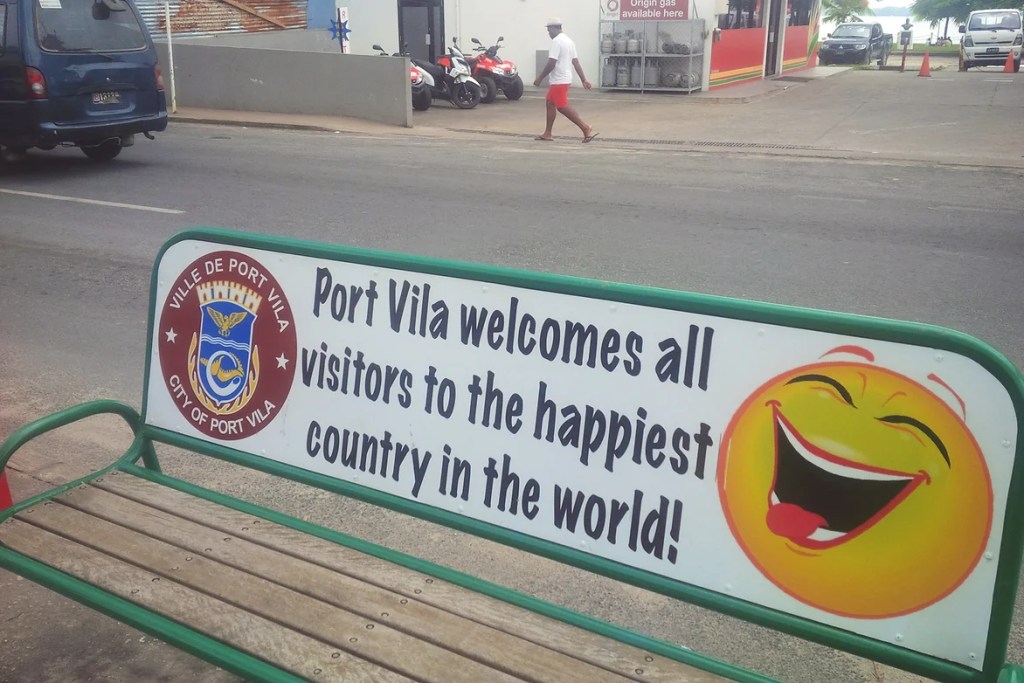
Vanuatu’s impressive second place can be linked to its commitment to self-sustainability and a simple way of life. Trying to find out what this remote nation is doing right, I visited the country in 2015. The answer turned out to be simple -islanders are self-sustainable and keep life simple. They seem to accept that what you’ve got is what you’ve got — and that’s all there is to it
Now, on the flip side, Chad’s hitting rock bottom, which is no big shocker: high poverty, a massive eco-footprint, poor infrastructure, low life expectancy, and religious tensions are all in the mix, not to mention the oil production struggles.
But what’s turning heads is Luxembourg’s place. Despite flaunting one the world’s highest GDP, their ecological game is off. Luxembourgers enjoy a sweet life, but their eco-footprint is huge. Low renewable energy use, crazy-high overall energy consumption, and among the most cars per person in Europe – if everyone lived like Luxembourg, we’d need 9.1 Earths to keep up. I bet Greta is not planning a trip there anytime soon?
So, Vanuatu’s winning with simplicity, Chad’s struggling for various reasons, and Luxembourg’s gotta figure out how to keep the good life without destroying the planet.
The Happy Planet Index (HPI) isn’t like a manual on where to find your bliss. It’s not rating which country has the happiest folks or telling you where to set up camp for the good life. At a bare minimum, we can conclude GDP is not the most important factor in determining environmental sustainability and the well-being of people. That’s because GDP only measures how much money a country has, not how a country chooses to spend it.
What do you think about it?
***


The challenges I tackled today were a five-minute shower (woop woop), no waste at all (I was at work the whole day), unplugged devices are still unplugged, and, thanks to the non-stop rain, collected enough rainwater! It has now been a week since I did any shopping besides groceries. The failed attempts include vegan day, as two of my colleagues just brought some national treats from South Africa: melktaart and buttermilk rusks (aka the best snack EVER = so happy with my new stash!!). Biking to work was also not really an option due to the nasty weather, whereas the stairs failed thanks to my friends distracting me. 😛
To sum up, this is today’s progress:
| SUCCESS | FAIL |
|---|---|
| NO WASTE awyeeeee | Vegan food |
| ONE WEEK of NO shopping | Bike to work (brrrrr) |
| Unplug devices that are not in use | Take stairs instead of elevator |
| Five-minute shower | |
| Collect rainwater to water plants |
- As you may be able to tell, I also like to write things for the lolz ↩︎

 Fair February
Leave a reply to The Grand Finale – Fair February Cancel reply