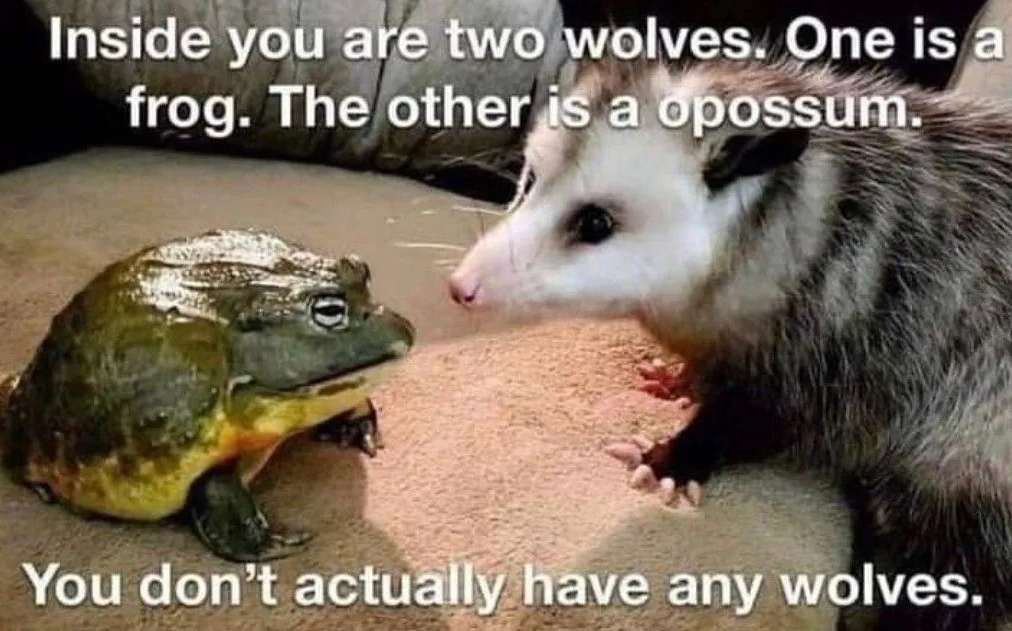
Today’s entry is inspired by a glitch with my dishwasher. The issue at hand was simple – it had mysteriously stopped dissolving cleaning tablets. After a couple of unsuccessful runs, I decided to venture to a nearby shop to experiment with a different brand, hoping to understand the root of the glitch.
As I scanned the shelves, I noticed the supermarket’s own brand offering both a ‘regular’ tablet and an eco-friendly alternative. It got me thinking about the difference between the two and how I hadn’t questioned it before. On the surface, the eco-friendly option didn’t seem to offer any additional benefits – I mean, what else is a dishwasher tablet supposed to do apart from washing dishes? Yet, there it was, commanding a slightly higher price per piece. This got me thinking: Do these eco labels and tags genuinely signify something substantial, or are they merely a marketing ploy, flirting closer with greenwashing than genuine sustainability?
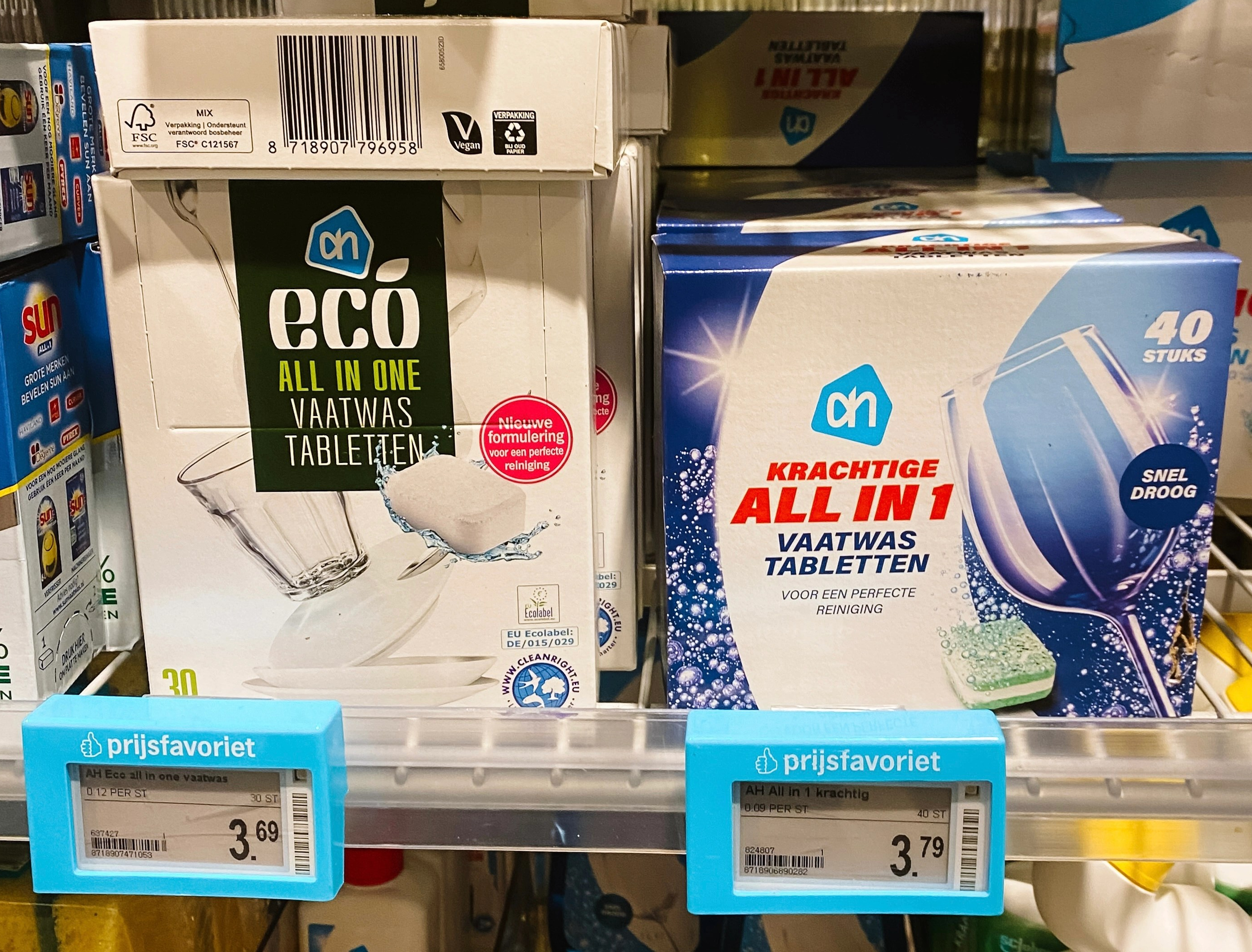
To begin, let’s clarify the terminology. Greenwashing refers to misleading marketing tactics wherein a brand overstates or intentionally misrepresents its dedication to environmental sustainability. This can create a false perception among consumers, making them believe the brand is more eco-friendly than it truly is. Greenwashing employs a variety of strategies, making it challenging for consumers to accurately distinguish authentic sustainability initiatives.
Eco-labels and certifications serve as third-party verifications, assuring consumers that the products bearing them adhere to specific environmental and social standards. Fairtrade, for instance, focuses on ensuring fair wages and better working conditions for farmers and workers in developing countries. B Corp certification assesses overall performance, ensuring a commitment to transparency and accountability. Rainforest Alliance certification emphasises sustainable agriculture and forestry practices, promoting biodiversity and conservation. But, as the number of these labels has grown exponentially over the recent years, they play a significant role in the complexity of greenwashing, adding layers of confusion for consumers.
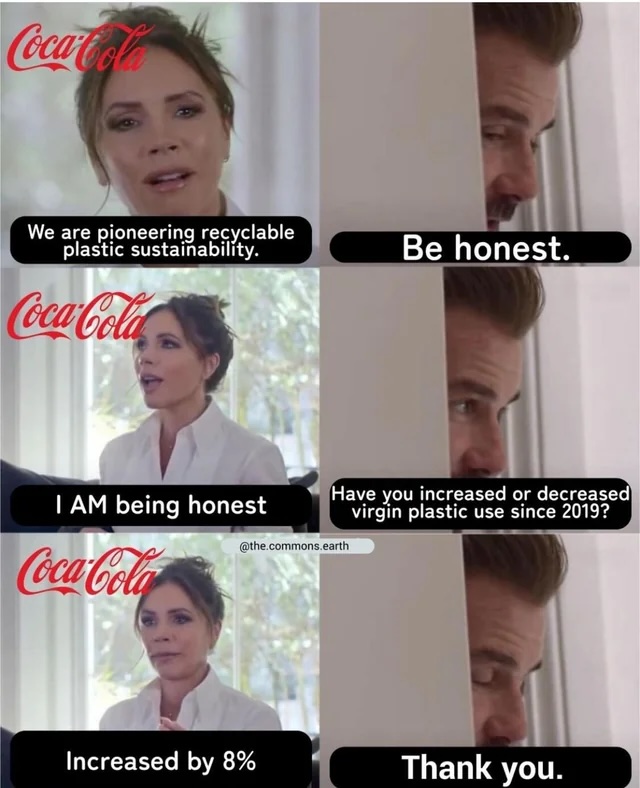
Greenwashing can be traced to, among other things, increased consumer awareness of environmental issues. As consumers began demanding more sustainable products, companies began rolling out ‘green’ product lines as a way to maintain market share and appeal to eco-conscious consumers. Already in 2007, TerraChoice introduced the concept of the “Six Sins of Greenwashing,” identifying common deceptive tactics used by brands. These sins include:
- The Sin of Vagueness: Brands intentionally remain non-specific about their operations or materials: e.g., a clothing brand claims to be “eco-friendly” without specifying the exact practices or materials that make its products environmentally friendly.
- The Sin of Lesser Evils: Companies apply do-good labels to inherently environmentally-unfriendly products: e.g., a fast fashion brand promotes a line of “sustainable denim,” when denim is inherently resource-intensive to produce, therefore misleading consumers into thinking the product is more environmentally friendly than it truly is
- The Sin of Irrelevance: Brands claim to avoid using illegal or non-standard materials or practices: e.g., if a product is marketed as “CFC-free,” even though the use of chlorofluorocarbons (CFCs) has been banned for decades, this claim does not add any value.
- The Sin of Fibbing: Brands make false claims about specific environmental qualities or certifications: e.g., a cleaning product claims to be “certified organic” when, in reality, it contains synthetic chemicals that do not meet the criteria for organic certification.
- The Sin of Worshiping False Labels: Companies use misleading labels, certifications, or imagery to imply third-party endorsement: e..g, if a brand incorporates a logo resembling a well-known environmental certification, leading consumers to believe that the product is endorsed by a reputable third party
- The Sin of the Hidden Trade-Off: Brands promote one positive environmental attribute while downplaying other potentially negative aspects: e.g., an electronics company highlights the energy efficiency of its new appliance but fails to address the environmental impact of the manufacturing process, including the extraction of rare minerals and the disposal of electronic waste. The positive focus on energy efficiency hides other environmentally harmful aspects.
In their 🌿upgreening🌿 efforts, brands often employ tactics such as eco-themed advertising, selective storytelling, green collaborations, exaggerated claims and jargon, and misleading visuals. Imagine spotting a package of oatmeal boldly declaring it is free from Novichok plutonium carmine. For the uninformed consumer, it might seem like a positive, health-conscious message. But carmine is just a red dye commonly used in food, and oatmeal, by nature, isn’t meant to be red in the first place.
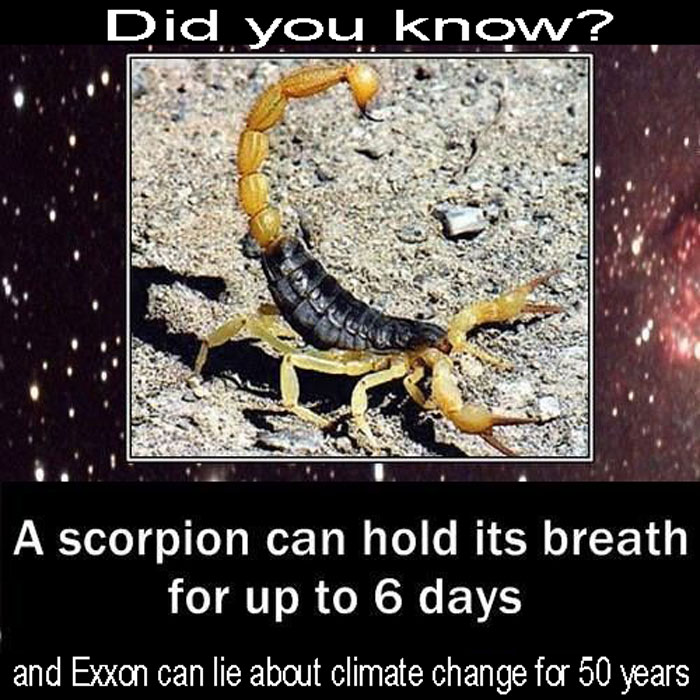
NGOs, activists and consumer agencies are not just on the lookout for greenwashing; they’re actively reporting and exposing deceptive practices in the sustainability realm. These watchdogs are not just barking; they’re sinking their teeth into the fine print. For instance, a 2021 report “Synthetics Anonymous: Addiction of Fashion Brands to Fossil Fuels.“, investigating 46 fashion companies, revealed that nearly 60% of ecological claims on supposedly environmentally friendly products were either misleading or baseless.
On a different front, Delta Airlines is facing a consumer lawsuit challenging its claim to be the “first carbon-neutral airline,” accusing the company of relying on largely bogus carbon offsets. Meanwhile, Shell — responsible for around 1-2% of global CO2 emissions from its activities annually — has come under fire for its claims about spending on renewables. They are a bit, shall we say, exaggerated: out of 12% on “Renewables and Energy Solutions”, only 1.5% going to solar and wind power and a significant chunk invested in climate-wrecking gas.
Greenwashing isn’t always necessarily a deliberate act. It can stem from a variety of factors, such as inadequate oversight, convoluted supply chains, or a a simple lack of information and supporting data to back up sustainability claims. Factors like organisational complexity and ineffective communication also contribute to unintentional greenwashing. The myriad pressures and incentives from the market, government, regulations, investors, and consumers drive companies to portray themselves as more environmentally conscious than they are.
Yet, as the examples illustrate, the repercussions of greenwashing are substantial. The ramifications extend far beyond misleading consumers. Genuine progress made by brands in other areas loses its value when overshadowed by deceptive marketing practices. The accomplishments of impact-focused companies are diluted, casting doubt about the authenticity of any business claiming to do good. The erosion of trust and skepticism resulting from greenwashing can hinder meaningful progress toward sustainability goals.
***
Here are a few resources to guide you on your way:
- Rank A Brand: Ranks brands based on climate impact, environmental impact, labour conditions and transparency.
- Good On You: An app that includes brand ratings, information, offers and news about ethical and sustainable fashion.
- Fashion Revolution: A global movement that celebrates fashion as a positive influence while also scrutinising industry practices and raising awareness of the fashion industry’s most pressing issues. Join their campaign #whomademyclothes each April.
- True Price: A movement of consumers, businesses, and institutions that take action in incorporating environmental and social costs in prices.
- For all things quality in textiles and fashion, I cannot recommend Andrea Cheong‘s content enough.
***
This discussion will continue in one of the next entries, where I will dig further into labels and certifications — the dishwasher dilemma will not go unanswered!
***



As I continue to process last week’s news, my focus in these few days is still on self-care. Doubling up on my vitamin and supplement intake, I replenished the supplies needed and ensured a sufficient number of boxing and strength training classes to shake off the accumulated stress. On the food front, I’m still working my way through the TGTG veggies, making the transition back to vegan meals manageable.
On Wednesday, I went to a screening of the 2022 film about Navalny, accompanied by a discussion on the impact of his death with two prominent Russian journalists now based in Amsterdam. The documentary unfolds in the aftermath of Navalny’s poisoning with a chemical weapon, as he works to uncover those behind his assassination attempt. During his recovery, Navalny and his team collaborated with data investigative journalists and international news organizations to investigate the case — also documented in his team’s video on YouTube with subtitles. While my bias goes without saying, I would certainly recommend it (I had seen most parts of the movie before and went to the screening as a form of the therapy); the film is available on various streaming services and is currently showing in several cinemas in Amsterdam.
To sum up, this is the past two days’ progress:
| SUCCESS | FAIL |
|---|---|
| Vegan food | No single plastic (empty vitamin jars, food packaging) |
| Unplug devices that are not in use | Don’t buy any material product for a week (vitamins, dishwasher tables) |
| Five-minute showers | Opt for pick-up delivery over home delivery (one home delivery) |
| Collect rainwater | Wasteless cooking (definitely could have saved scraps) |
| Compost | |
| Clean out email inbox |

 Fair February
Leave a reply to Let’s (Not) Put A Label On It – Fair February Cancel reply